North Wrecks and SS Turkia (Suez)
 Itinerary Schedule
Overview
Deep North itinerary takes you to the newly discovered WWII wreck SS Turkia where the war-times cargo is still in place and to the famous wrecks of the Northern Red sea. Impressive reefs, pristine coral gardens, steep walls covered with coral forests going down into the blue abyss, caves and plateaus, schooling rainbow-coloured fish of of Ras Mohamed National Marine Park is on the menu too. A great collection of new dive-sites will be added en-route to Suez as well.
- North Wrecks and SS Turkia (Suez)
- North Wrecks and Safaga
- North - Ras Mohamed - Tiran - Dahab
- Brothers islands
- North - Brothers islands
- Brothers - Daedalus - Elphinstone
- Brothers - Saint John's
- Saint John's
- Saint John's - Abu Fendera
- Fury Shoals
- Daedalus - Rocky - Zabargad
- Daedalus - Fury Shoals
- Daedalus - Zabargad - Saint John's
- Rocky - Zabargad - Saint John's
- Elphinstone - Daedalus - Saint Johns
- Best of Deep South
- North Wrecks - Ras Mohamed - Straits of Tiran
- On Request
-
Carnatic shipwreck
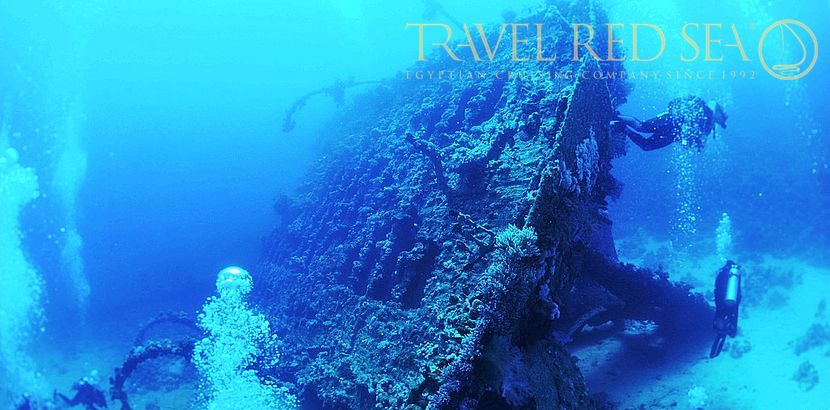
The Carnatic, a beautiful 90m 19th Century wreck that lies almost intact on Sha'ab Abu Nuhas Reef is accessible and appreciated by all levels of divers. Carrying a cargo of wine, gold and cotton, the ship was sailing the Indien route with a destination of Bombay when it hit the reef and sank. The picturesque dive can be done along the outside of the wreck past giant moray eels and other Red Sea reef fish that have made this wreck their home. In the holds you can see the remains of broken bottles and shoals of glass fish inhabiting them. To finish this fantastic dive you can head back along Sha'ab Abu Nuhas reef where you will be able to find many different types of coral and fish before ascending.
-
SS Thistlegorm shipwreck
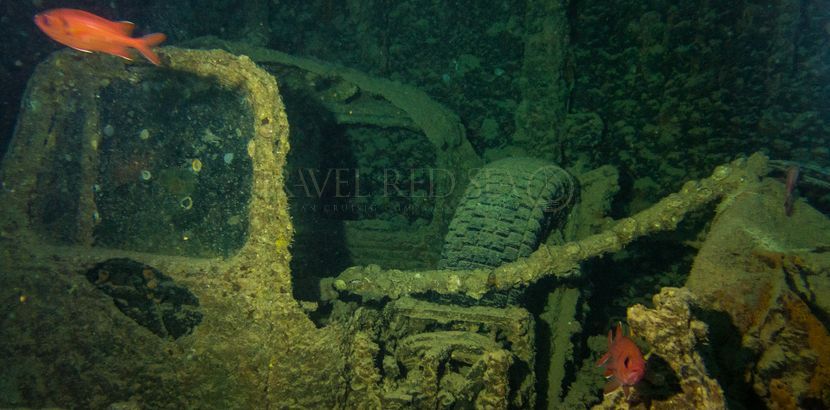
SS Thistlegorm, one of the most famous wrecks in the world, set sail on her final voyage on 2 June 1941, destined for Alexandria, Egypt. The vessel’s cargo included: Bedford trucks, Universal Carrier armoured vehicles, Norton 16H and BSA motorcycles, Bren guns, cases of ammunition, and 3000 rifles as well as radio equipment, Wellington boots, aircraft parts, railway wagons and two LMS Stanier Class 8F steam locomotives and the cargo for the Allied forces in Egypt. The vessel was hit by a German bomber and sank. The Thistlegorm was discovered in 1956 by Jacques Cousteau. The stern section of the wreck lies almost horizontal to the sea bed; the remainder of the wreck is nearly upright. Inside the wreckage, most of its cargo can be seen. Penetration is possible around the bridge and blast area. The large prop is still in position and the guns on the stern are in excellent condition. Artillery litters the blast area. The sea life around the wreck is impressive and rich.
-
Dunraven shipwreck
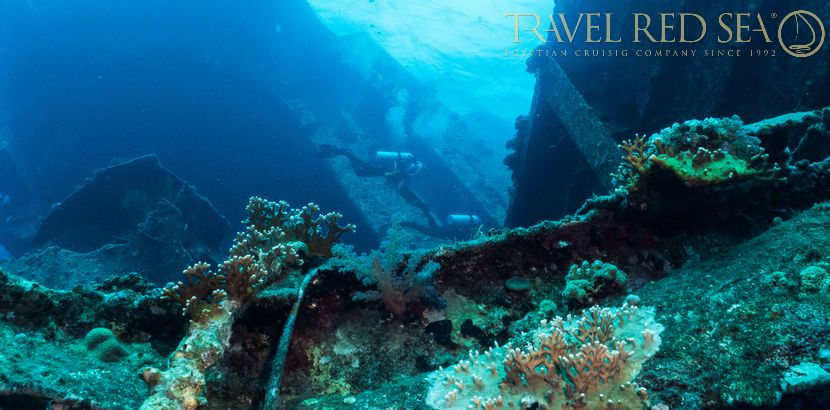
The Dunraven, a Victorian steam and sail-ship was carrying spices, gold and timber from India and sank in 1876 on its way from Bombay to England. Although it was stripped of her cargo by a team of archaeologists in the early eighties, the Dunraven still makes a very interesting dive.This 72m English wreck lies at the southern point of Sha’ab Mahmoud, amongst the series of shallow lagoons and reefs. The hull lies upside down at a maximum depth of 29m. Completely covered with corals, the wreck has become home for a wide variety of marine life including glass fish, morays, groupers, goatfish and colorful napoleons.
-
Abu Nuhas
This great reef, also known as the "ships graveyard", streches two miles to the north of Shedwan Island at the mouth of the Strait of Gobal. Abu Nuhas is a wreck divers dream come true boasting seven sunken ships of different eras resting close to each other and within comfortable diving depths of 30 metres or less. On the sheltered south side of the reef there are two beautiful Ergs known as Yellow Fish Reef which offer an excellent night dive.
-
Giannis D shipwreck
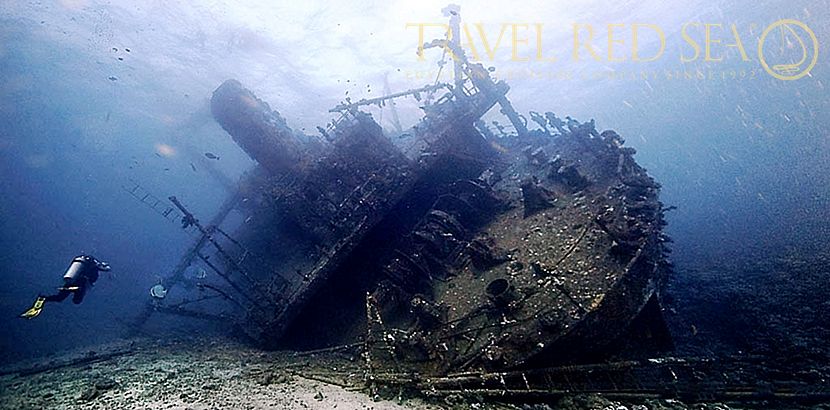
The Giannis D, called by uw photographers "the most photogenec wreck", was built in 1969 by a Japanese shipping company Kuryshima, hit the reef of Abu Nuhas in1983 and slowly sank over six weeks, lying now at a maximum depth of 28 metres. The wreck is broken up in the centre, but the bow and stern remain intact. At the stern on the sea floor you can penetrate and travel up towards the top of the wreck to a pocket of trapped air. Many wildlife has made this wreck their home, where you can find incredible schools of thousands of glassfish occupying the bridge, batfish, lionfish hovering over the wreckage, stonefish, emperor angelfish, wrasses, moray eels, imposing giant parrotfish groups and many antihas. Occasionally bottlenose dolphins appear in the area which gives this wreck a unique aura.
-
Chrisoula K shipwreck
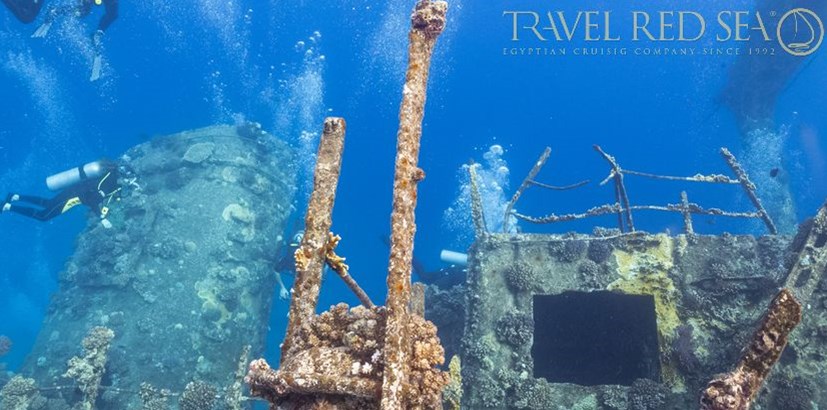
The Chrisoula K, a 90m freighter got underway from Italy with a cargo of floor tiles destined for Jeddah, Saudi Arabia and hit the reef of Abu Nuhas in 1981. The wreck now sits in an open, sandy space with the main body being upright and the cargo of tiles still in place. There is a straightforward penetration with plenty of easy swim-throughs and access to areas worthy of exploration but deep inside the stern, the engine room offers some serious penetration diving for the experienced wreck divers. At the seabed, the large propeller and rudder are still virtually undamaged. The wreck now covered with hard corals and being a home for the reef fish offers a variety of different dives for all levels of experience.
-
Kimon M shipwreck
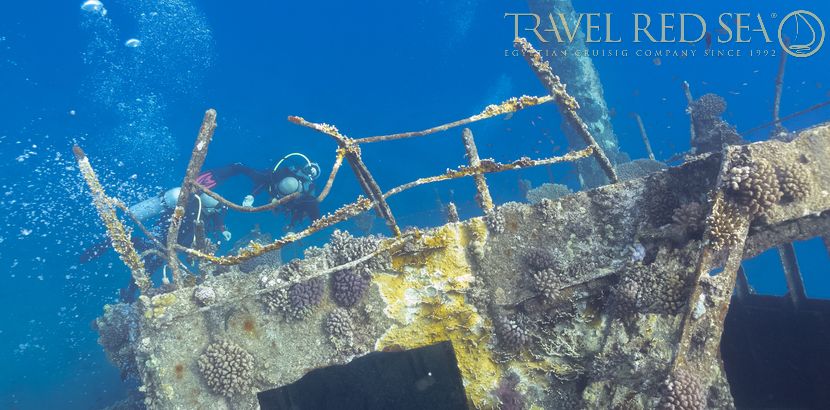
The Kimon M, a cargo ship, departed for India in 1978 laden with a cargo of 4,500 tons of lentils for her final voyage. On December 12th 1978, with engines at full speed the Kimon M drove hard onto the northeast corner of Sha'ab Abu Nuhâs Reef and came to rest at the base of the reef. Through the hole in the port side it is possible to access the engineering compartment with an easy swim-through viewing the piping and gauges, following the hull of the ship aft to the stern at 30-32 meters where the propeller and rudder are found on the bottom and continuing forward to the rear of the superstructure there is access to the bridge and accommodation areas.It is also impressive to dive around the massive wreck from outside in the company of batfish and napoleons.
-
Yolanda and Shark Reef
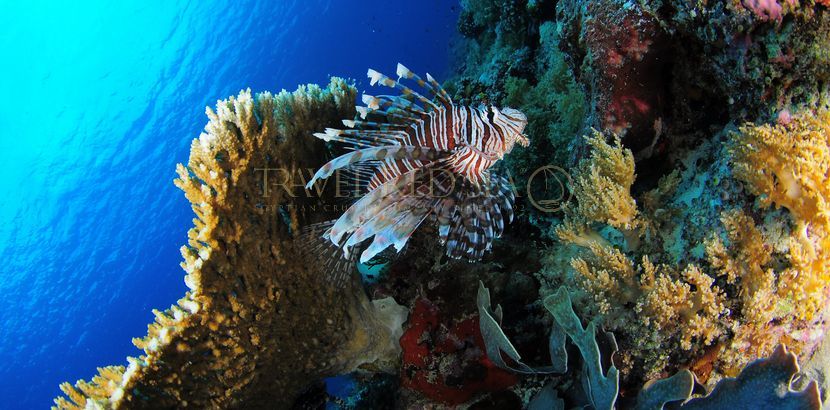
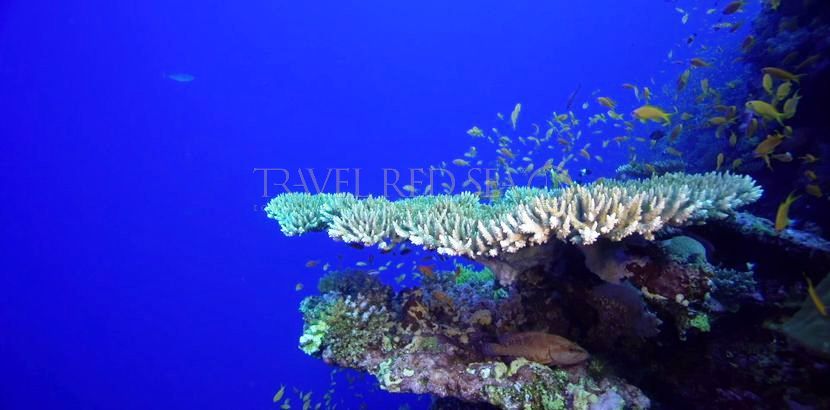
Yolanda and Shark Reef, two pinnacles originating from a single one which rises almost vertically from the depth of 800 metres, is an amazing dive-site of the Ras Mohamed National Marine Park where all the beauty of the underwater world sparkle in millions of colours: turquoise crystal-clear waters, coral drop-off, coral gardens sparking red with Anthias, thousands of schooling barracuda, tuna, jackfish, batfish, all kinds of stingrays, giant morays, hammerheads, reef sharks, turtles, dolphins. Yolanda pinnacle has been named after the Cyprian freighter which hit the reef and sank in 1980; its cargo still lies on the western side of the reef.
-
Ras Mohamed National Marine Park
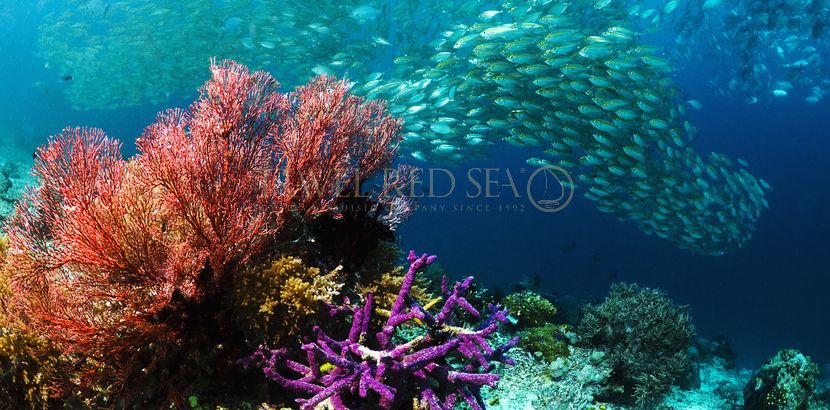
The Marine Park spans an area of 345 km² over the sea. Untouched reefs located 50-100cm below the sea surface are home to more than 220 species of corals, 1000 species of fish, 40 species of star fish, 25 species of sea urchins, more than a 100 species of mollusc and 150 species of crustaceans. Ras Mohamed called a "God's Garden" is a treasure of Egypt protected by law.
-
SS Turkia shipwreck
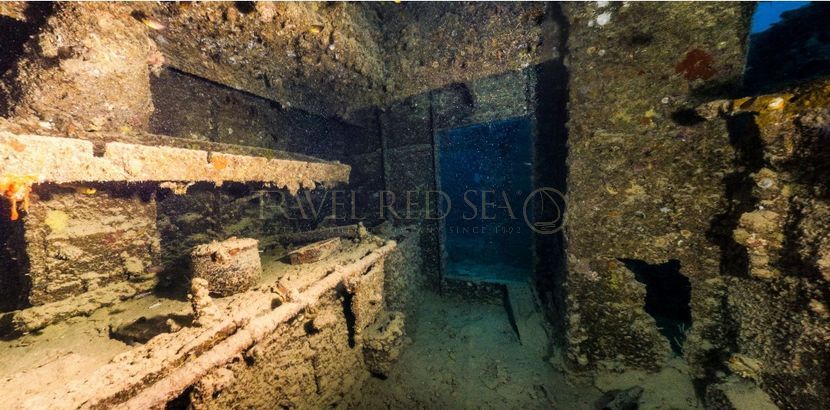
The SS Turkia a newly discovered 91m wreck of WWII times was built in England in 1909. She is a sister-ship of Thistlegorm. In May 1941 loaded with explosives, gyres, coils of wire, ingots, vehicles and firearms on its way from New York to Piräus when close to the Suez Channel near Zafarana the SS Turkia was hit by a German bomber and sank. The wreck laying at the depth of 10m - 24m is still loaded with its cargo. The wreck is very far from the usual safari routes which makes diving here one of the very best wreck diving possibilities.
-
Shaab Mahmoud
Sha'ab Mahmoud, a small reef partially rising up over the water surface, is marked by a light-house. Table corals, turtles, shoals of sweetlips and double-bar brims make this reef interesting to dive. The Dunraven ship sank here in 1876 and is a famous wreck to visit.
Dive Sites
-
The Carnatic, a beautiful 90m 19th Century wreck that lies almost intact on Sha'ab Abu Nuhas Reef is accessible and appreciated by all levels of divers. Carrying a cargo of wine, gold and cotton, the ship was sailing the Indien route with a destination of Bombay when it hit the reef and sank. The picturesque dive can be done along the outside of the wreck past giant moray eels and other Red Sea reef fish that have made this wreck their home. In the holds you can see the remains of broken bottles and shoals of glass fish inhabiting them. To finish this fantastic dive you can head back along Sha'ab Abu Nuhas reef where you will be able to find many different types of coral and fish before ascending.
-
-
SS Thistlegorm, one of the most famous wrecks in the world, set sail on her final voyage on 2 June 1941, destined for Alexandria, Egypt. The vessel’s cargo included: Bedford trucks, Universal Carrier armoured vehicles, Norton 16H and BSA motorcycles, Bren guns, cases of ammunition, and 3000 rifles as well as radio equipment, Wellington boots, aircraft parts, railway wagons and two LMS Stanier Class 8F steam locomotives and the cargo for the Allied forces in Egypt. The vessel was hit by a German bomber and sank. The Thistlegorm was discovered in 1956 by Jacques Cousteau. The stern section of the wreck lies almost horizontal to the sea bed; the remainder of the wreck is nearly upright. Inside the wreckage, most of its cargo can be seen. Penetration is possible around the bridge and blast area. The large prop is still in position and the guns on the stern are in excellent condition. Artillery litters the blast area. The sea life around the wreck is impressive and rich.
-
-
The Dunraven, a Victorian steam and sail-ship was carrying spices, gold and timber from India and sank in 1876 on its way from Bombay to England. Although it was stripped of her cargo by a team of archaeologists in the early eighties, the Dunraven still makes a very interesting dive.This 72m English wreck lies at the southern point of Sha’ab Mahmoud, amongst the series of shallow lagoons and reefs. The hull lies upside down at a maximum depth of 29m. Completely covered with corals, the wreck has become home for a wide variety of marine life including glass fish, morays, groupers, goatfish and colorful napoleons.
-
-
This great reef, also known as the "ships graveyard", streches two miles to the north of Shedwan Island at the mouth of the Strait of Gobal. Abu Nuhas is a wreck divers dream come true boasting seven sunken ships of different eras resting close to each other and within comfortable diving depths of 30 metres or less. On the sheltered south side of the reef there are two beautiful Ergs known as Yellow Fish Reef which offer an excellent night dive.
-
-
The Giannis D, called by uw photographers "the most photogenec wreck", was built in 1969 by a Japanese shipping company Kuryshima, hit the reef of Abu Nuhas in1983 and slowly sank over six weeks, lying now at a maximum depth of 28 metres. The wreck is broken up in the centre, but the bow and stern remain intact. At the stern on the sea floor you can penetrate and travel up towards the top of the wreck to a pocket of trapped air. Many wildlife has made this wreck their home, where you can find incredible schools of thousands of glassfish occupying the bridge, batfish, lionfish hovering over the wreckage, stonefish, emperor angelfish, wrasses, moray eels, imposing giant parrotfish groups and many antihas. Occasionally bottlenose dolphins appear in the area which gives this wreck a unique aura.
-
-
The Chrisoula K, a 90m freighter got underway from Italy with a cargo of floor tiles destined for Jeddah, Saudi Arabia and hit the reef of Abu Nuhas in 1981. The wreck now sits in an open, sandy space with the main body being upright and the cargo of tiles still in place. There is a straightforward penetration with plenty of easy swim-throughs and access to areas worthy of exploration but deep inside the stern, the engine room offers some serious penetration diving for the experienced wreck divers. At the seabed, the large propeller and rudder are still virtually undamaged. The wreck now covered with hard corals and being a home for the reef fish offers a variety of different dives for all levels of experience.
-
-
The Kimon M, a cargo ship, departed for India in 1978 laden with a cargo of 4,500 tons of lentils for her final voyage. On December 12th 1978, with engines at full speed the Kimon M drove hard onto the northeast corner of Sha'ab Abu Nuhâs Reef and came to rest at the base of the reef. Through the hole in the port side it is possible to access the engineering compartment with an easy swim-through viewing the piping and gauges, following the hull of the ship aft to the stern at 30-32 meters where the propeller and rudder are found on the bottom and continuing forward to the rear of the superstructure there is access to the bridge and accommodation areas.It is also impressive to dive around the massive wreck from outside in the company of batfish and napoleons.
-
-
Yolanda and Shark Reef, two pinnacles originating from a single one which rises almost vertically from the depth of 800 metres, is an amazing dive-site of the Ras Mohamed National Marine Park where all the beauty of the underwater world sparkle in millions of colours: turquoise crystal-clear waters, coral drop-off, coral gardens sparking red with Anthias, thousands of schooling barracuda, tuna, jackfish, batfish, all kinds of stingrays, giant morays, hammerheads, reef sharks, turtles, dolphins. Yolanda pinnacle has been named after the Cyprian freighter which hit the reef and sank in 1980; its cargo still lies on the western side of the reef.
-
-
The Marine Park spans an area of 345 km² over the sea. Untouched reefs located 50-100cm below the sea surface are home to more than 220 species of corals, 1000 species of fish, 40 species of star fish, 25 species of sea urchins, more than a 100 species of mollusc and 150 species of crustaceans. Ras Mohamed called a "God's Garden" is a treasure of Egypt protected by law.
-
-
The SS Turkia a newly discovered 91m wreck of WWII times was built in England in 1909. She is a sister-ship of Thistlegorm. In May 1941 loaded with explosives, gyres, coils of wire, ingots, vehicles and firearms on its way from New York to Piräus when close to the Suez Channel near Zafarana the SS Turkia was hit by a German bomber and sank. The wreck laying at the depth of 10m - 24m is still loaded with its cargo. The wreck is very far from the usual safari routes which makes diving here one of the very best wreck diving possibilities.
-
-
Sha'ab Mahmoud, a small reef partially rising up over the water surface, is marked by a light-house. Table corals, turtles, shoals of sweetlips and double-bar brims make this reef interesting to dive. The Dunraven ship sank here in 1876 and is a famous wreck to visit.
-